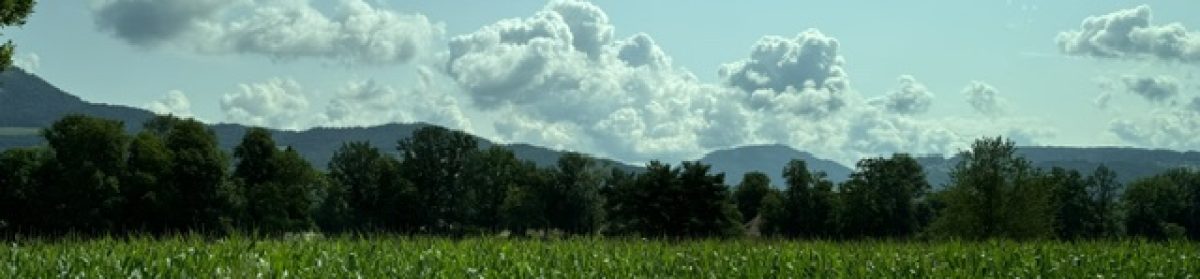
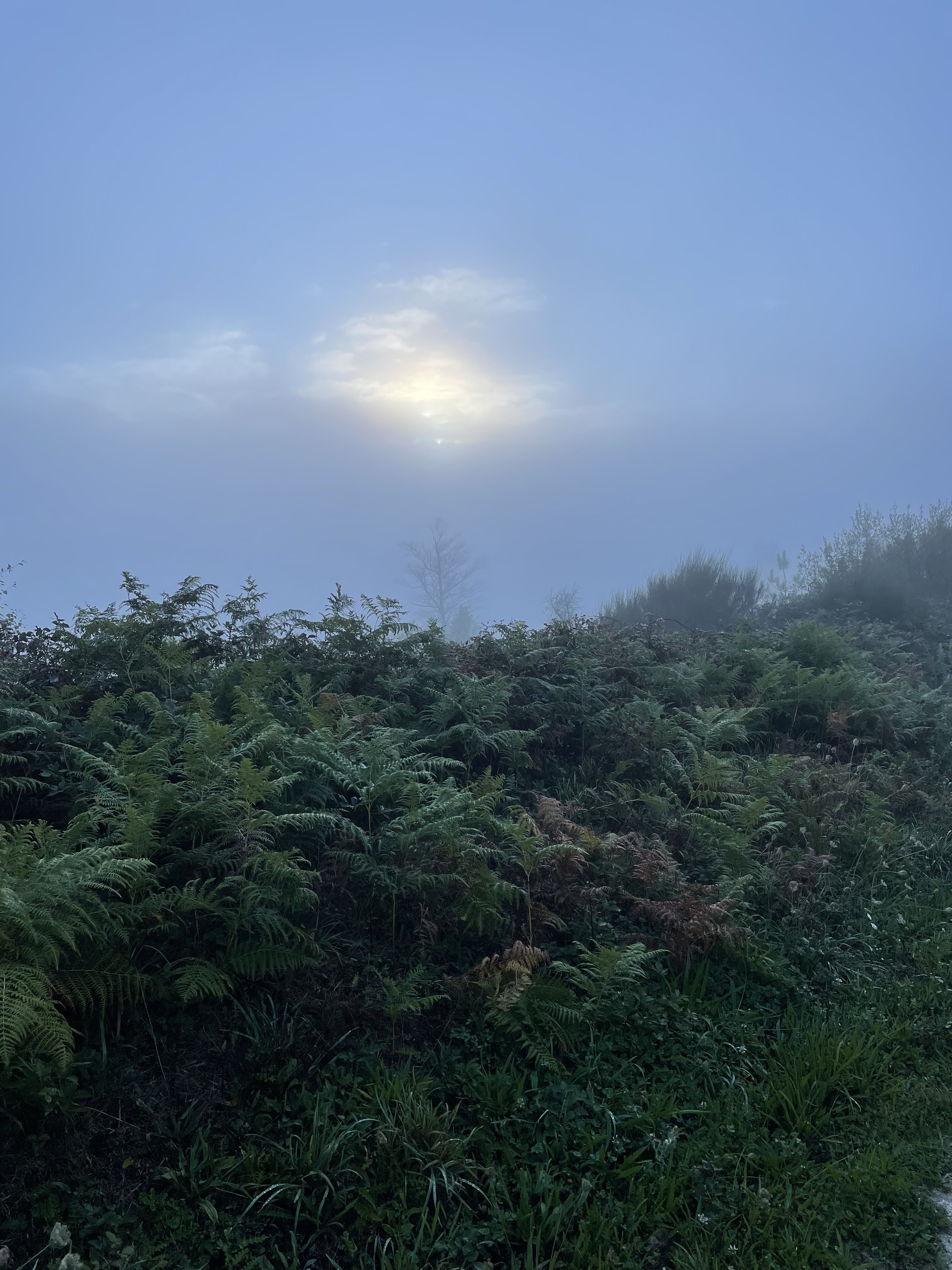
Walked into another beautiful misty country day, but no rain. The walking was also much easier with ups and downs and different types of trails, but not mountains or steep pitches.
By now, I recognize every single person on the trail. I’m guessing there are about 20 of us on the same day schedule? We all smile at each other now, mixing Spanish, French, and English. The Germans and Scandinavians use one of those other languages so that we can talk. It’s nice. Many of us are taking a day off in Lugo, but Lugo is also a start point for a lot of people because it’s 100k from Santiago. I wonder how many of the 20 I’ll see day after tomorrow…
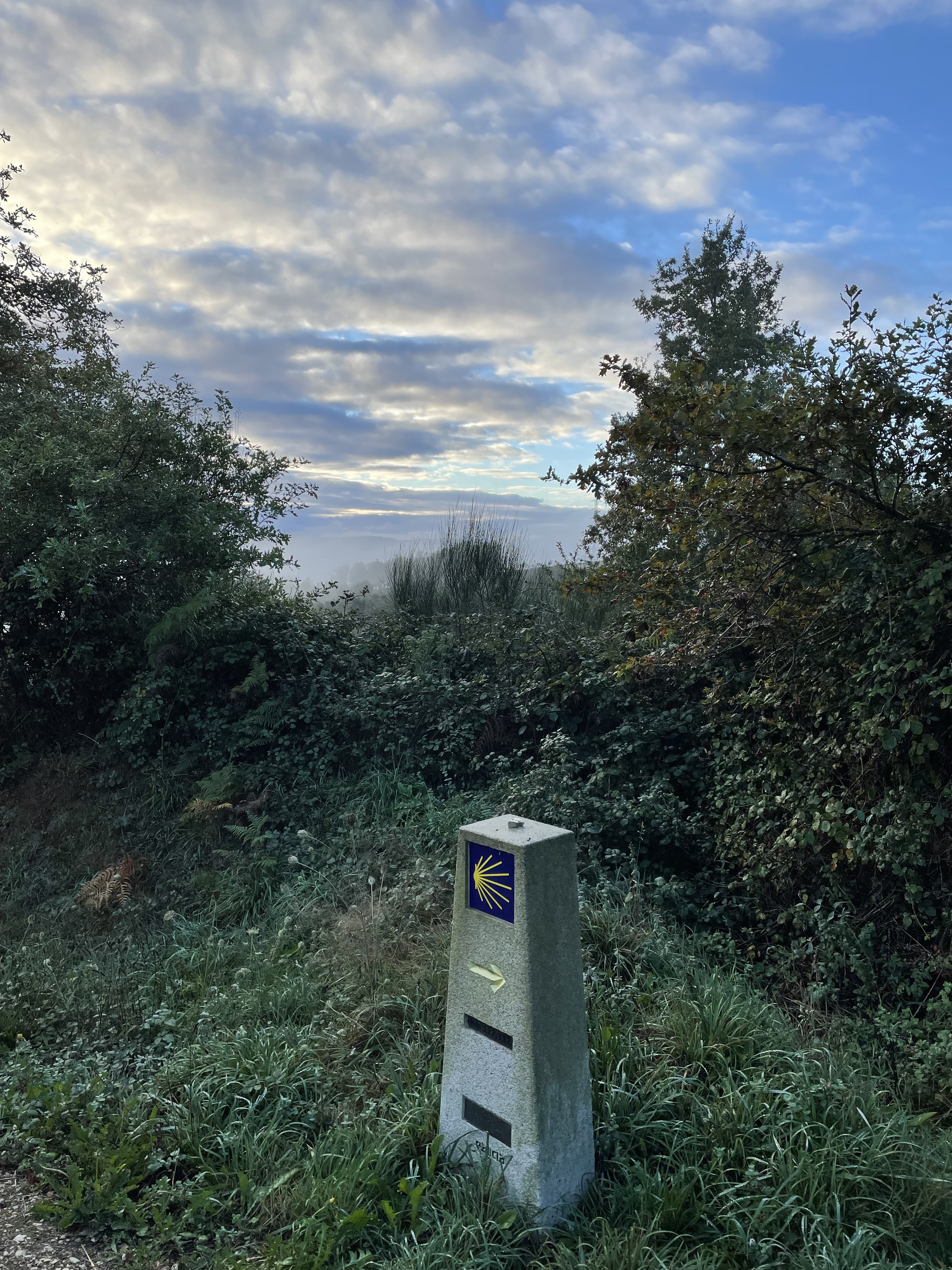
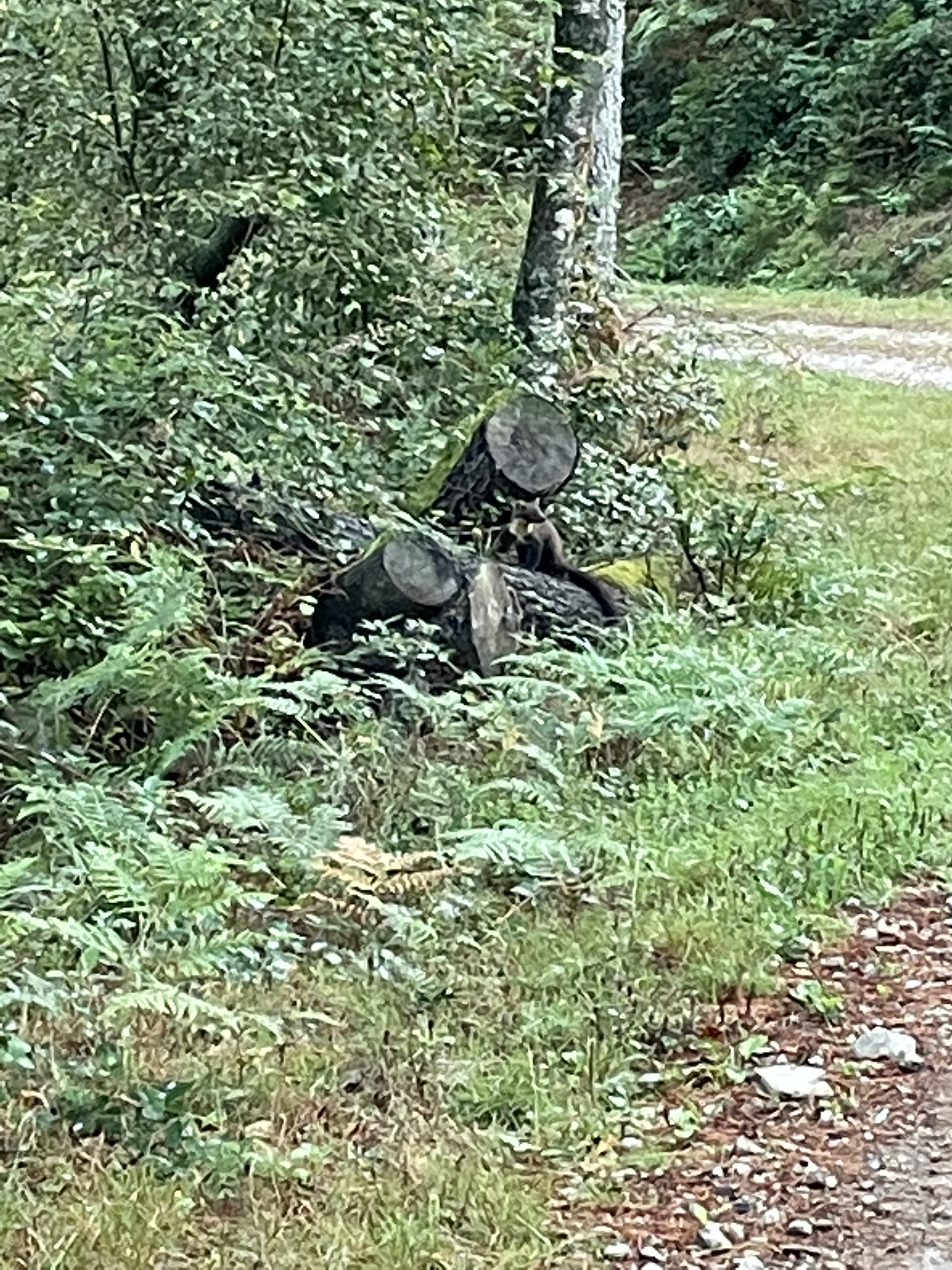
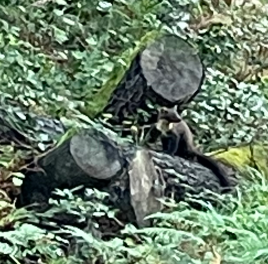
Per my Wise Pilgrim app, I took a Complementario route twice, adding another kilometer to the walk, but the two paths were a gift. The Galician government added an official Camino route, and left the original one – calling it the Camino Complementario route. Have no idea why and it certainly did a number on the few areas that lost the main Camino. But for me – the first choice of trail, every other person went on the main one, partly because it was slightly shorter. So suddenly, I was all alone, it was quiet, the cows were sleeping and it was a good bit further away so I lost any traffic sounds. Just birds. It was amazing. AND because no one else was walking, I saw animals. It’s a bit blurry because I was trying to telephoto – but there’s a weasel on the log above. At least 2’ long from snout to end of the tail and it seemed to feel pretty safe. It just watched me as I took a few steps, then a few more, trying to get closer. Later I saw two very small deer – don’t know what kind – leaping across a field.
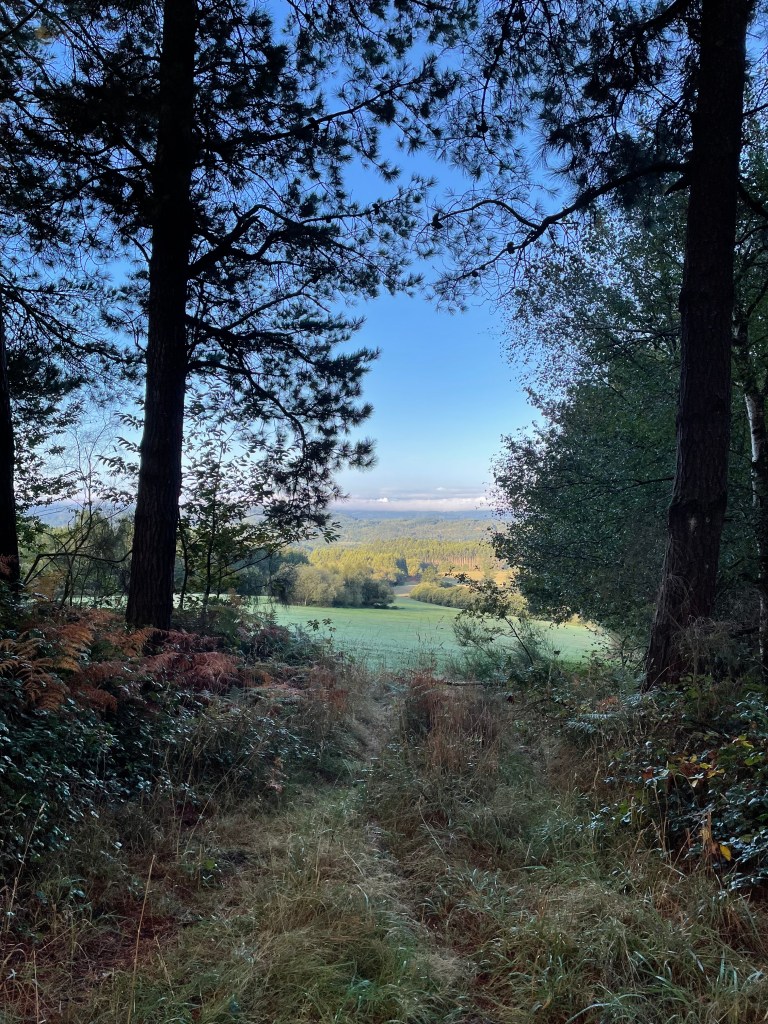
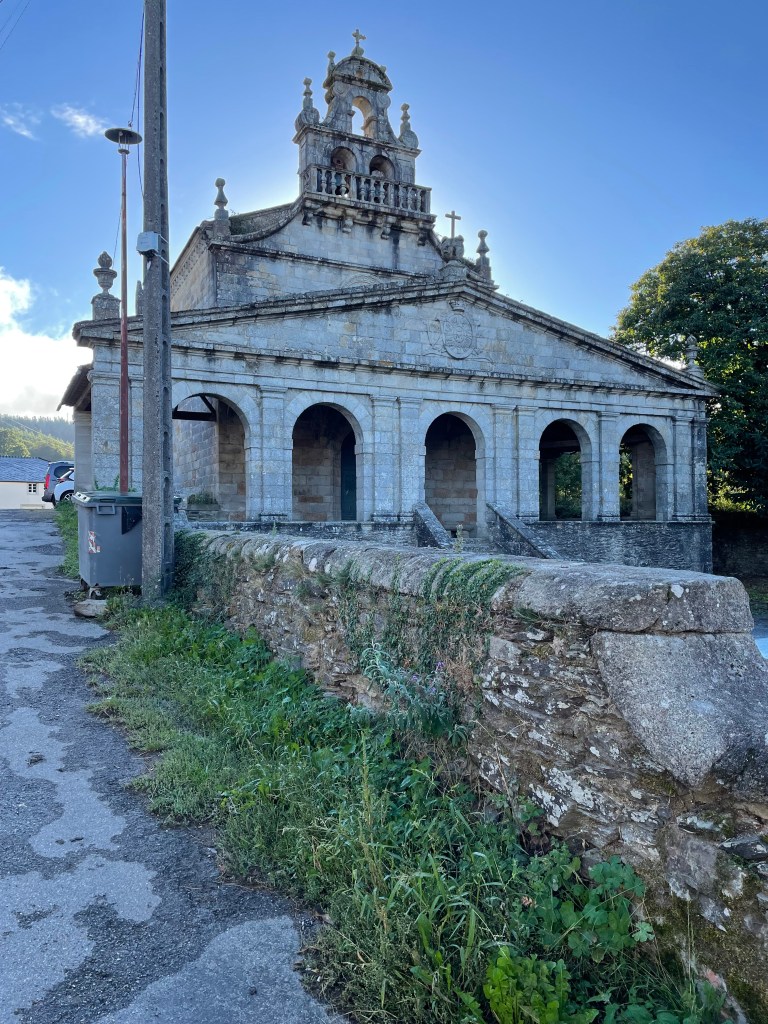
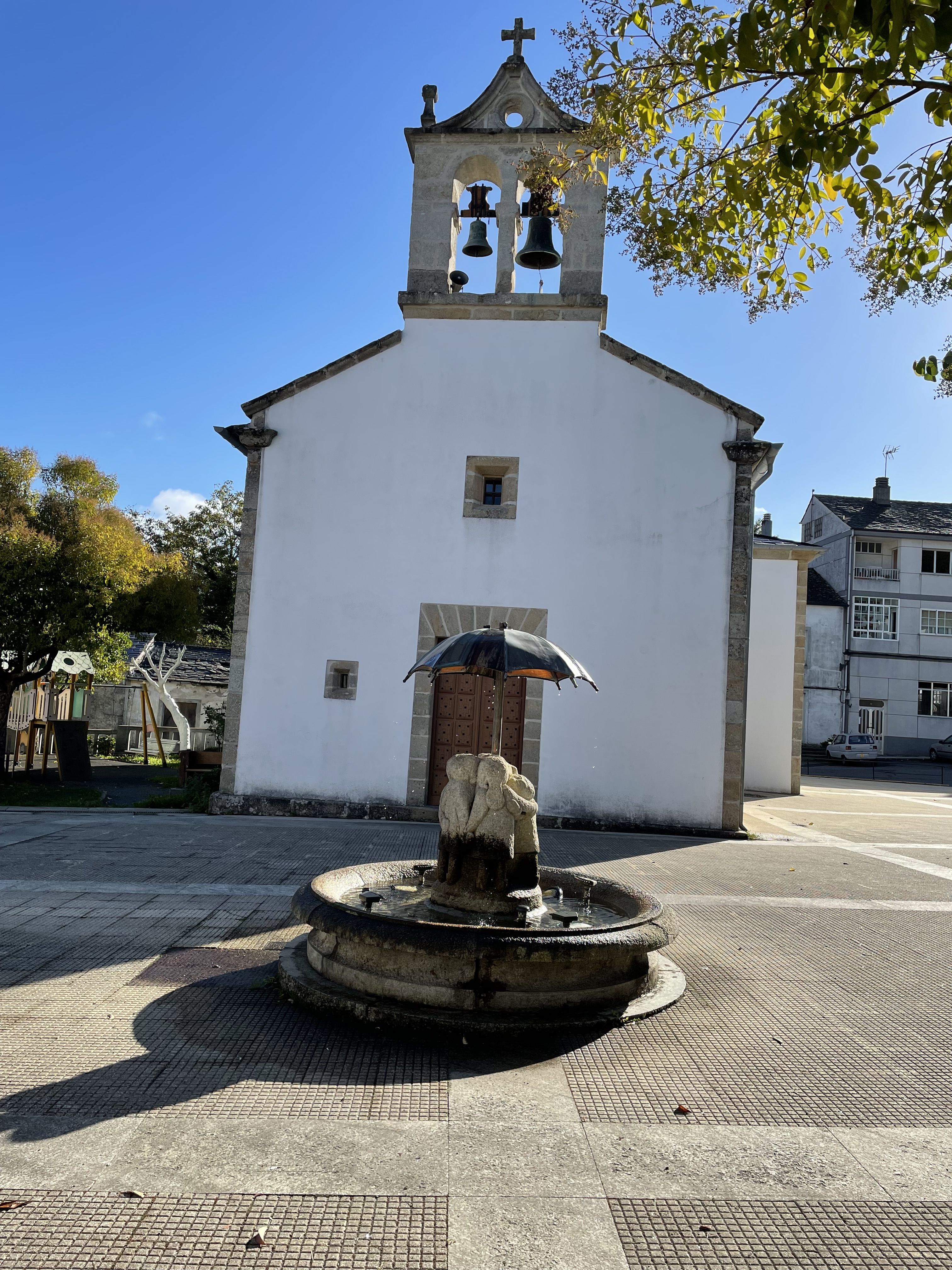
This was a small town with a beautiful church – big for such a small town and town hall that used to be the tourism office. Sad for the town to lose people coming through.
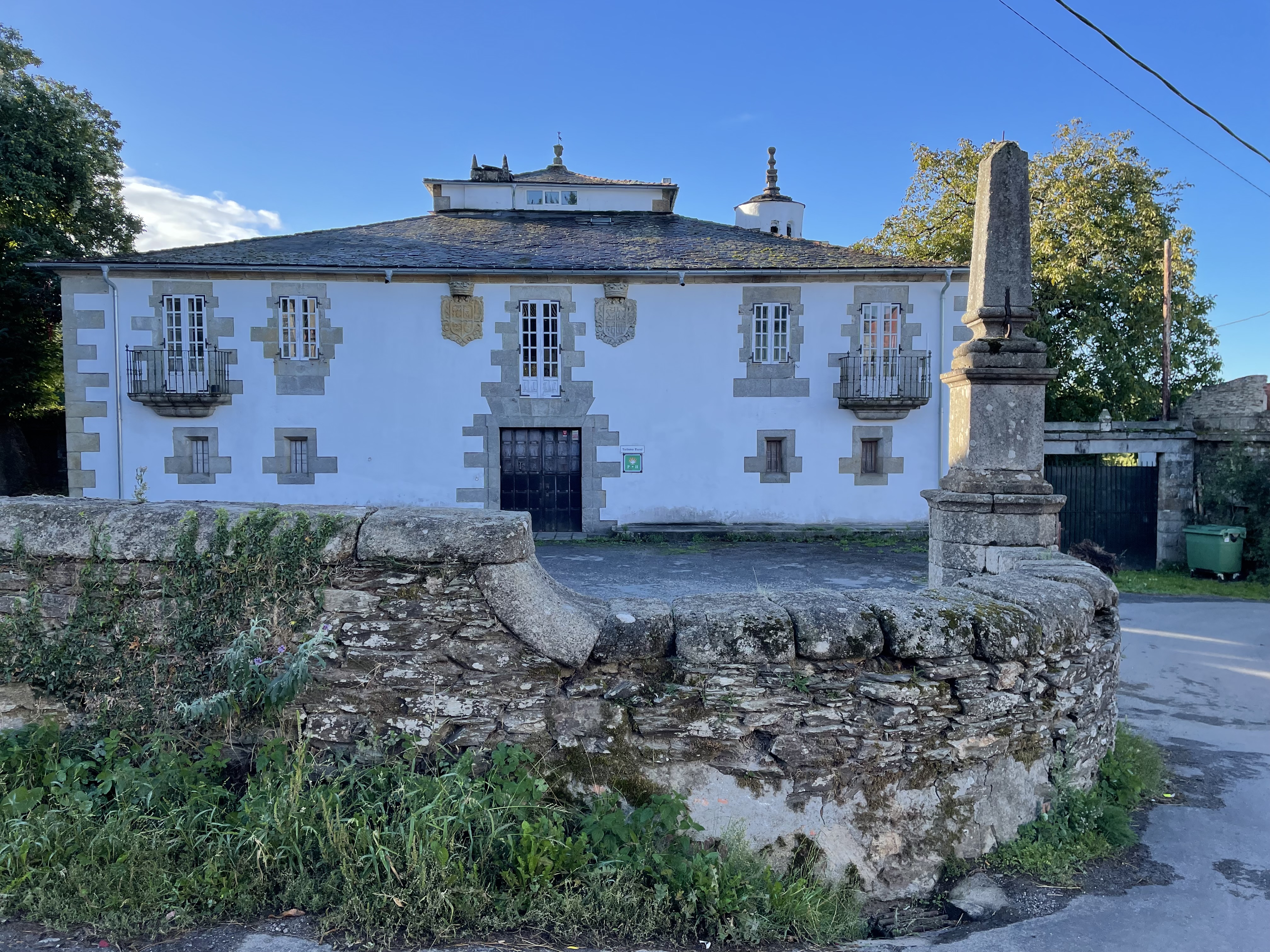
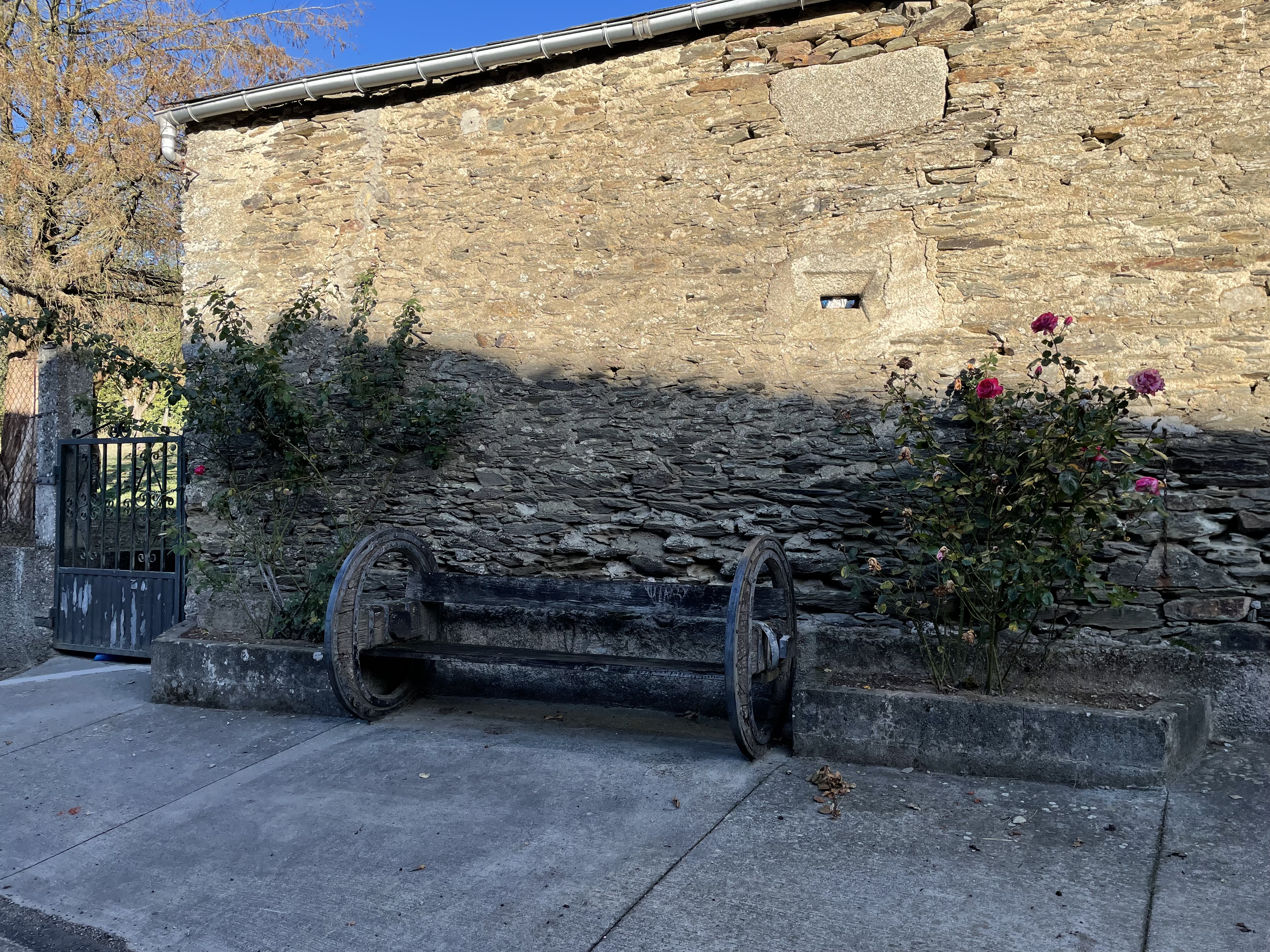
This town was the last to get a snack for another 21 k – per all the websites. Turned out there was one more, but definitely got a hot chocolate here and stopped for a bit.
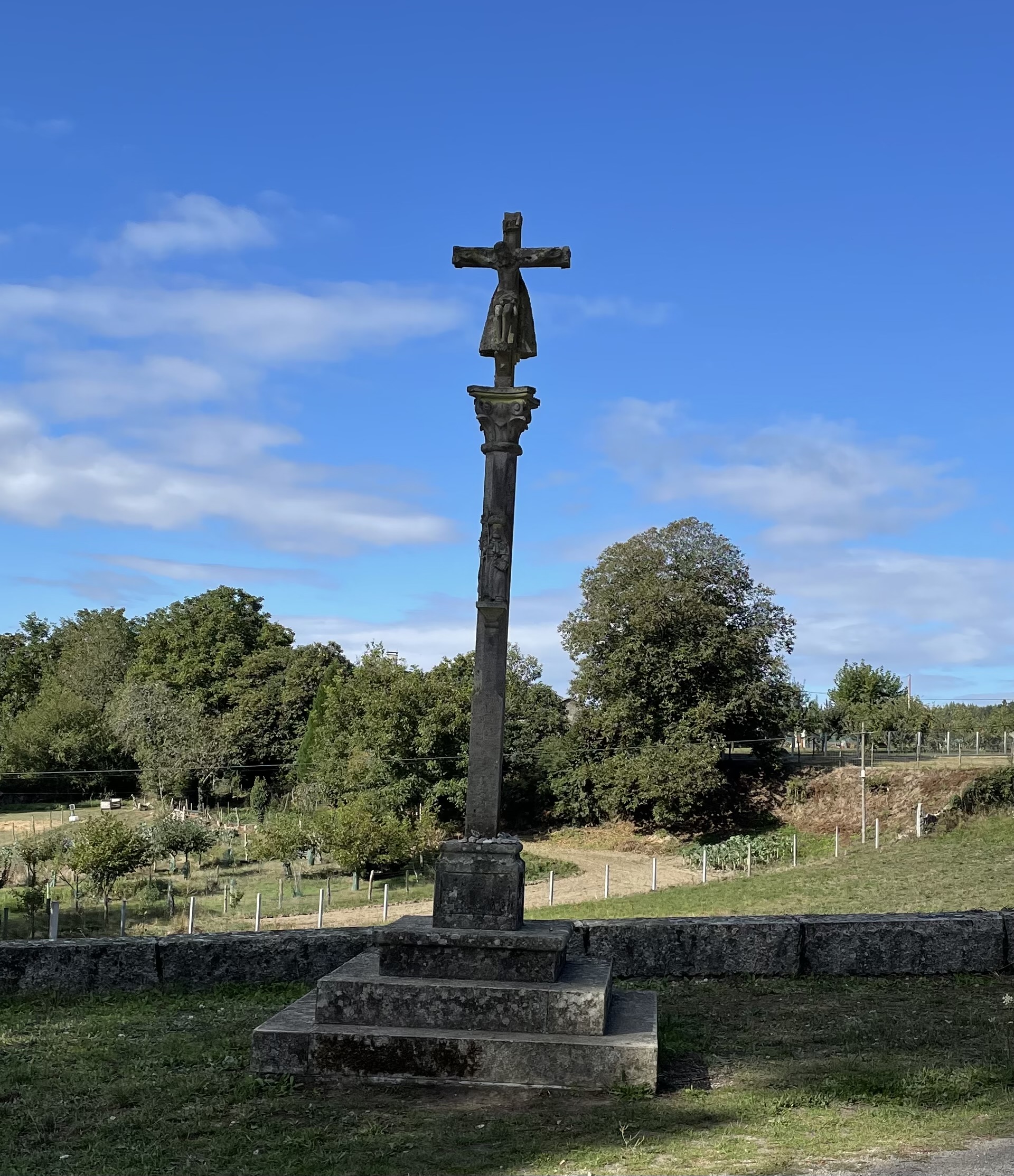
These Cruceriros were such a big marker last year on the Camino Frances. They’re just now appearing in Galicia, but they really seem incidental. I saw one on a lawn and they’d built a modern house and fence around it. Important enough to leave it, but not important enough to let it be on it’s own spot. These were said to forgive some sins and protect travelers on the Camino.
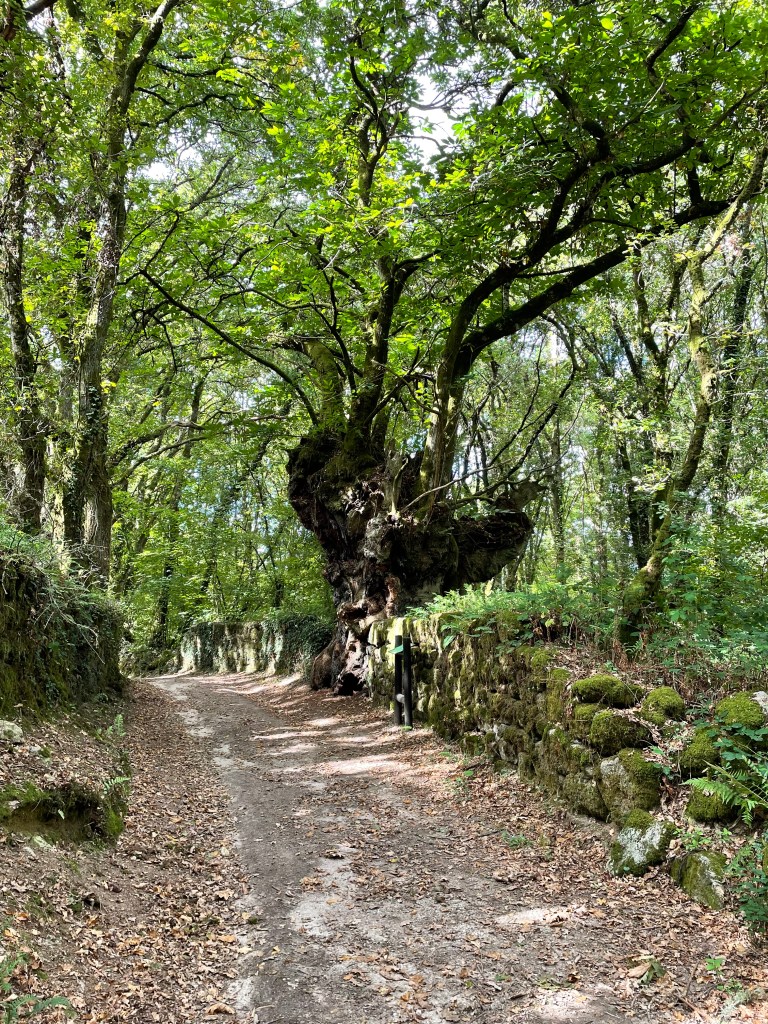
This was on the second Complementaria, a 350 year old chestnut tree.
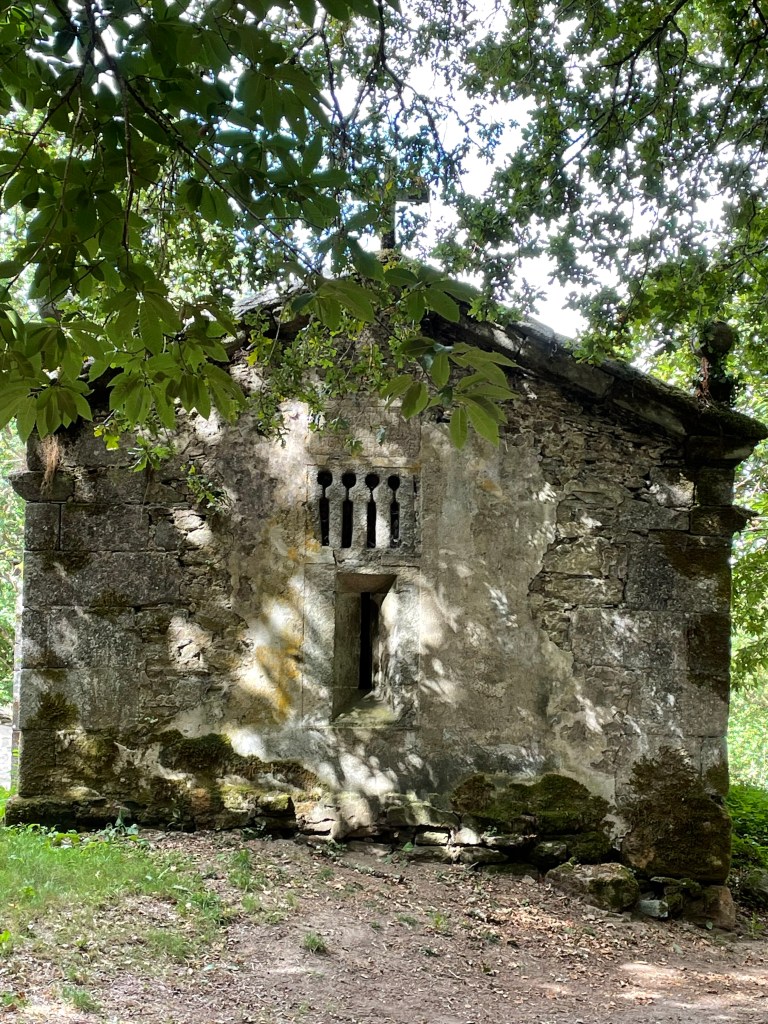
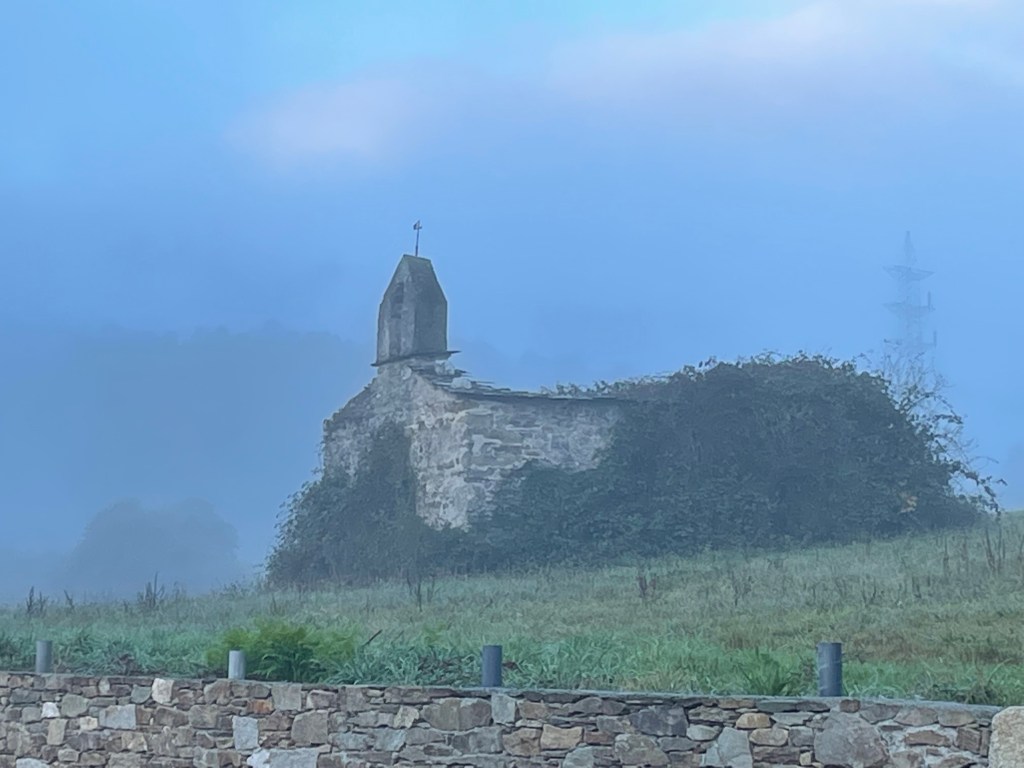
This site was one of the points of the ancient Camino. Notes I found about it: It seems certain that in the privilege of the church of Lugo, granted by Alfonso III in the year 897, the reference made to San Salvador de Ramilani (Romeán) alludes to or involves that of (the above temple/church). A sale dated in 1005, which refers to the temple of San Salvador de Romeán and its monks.
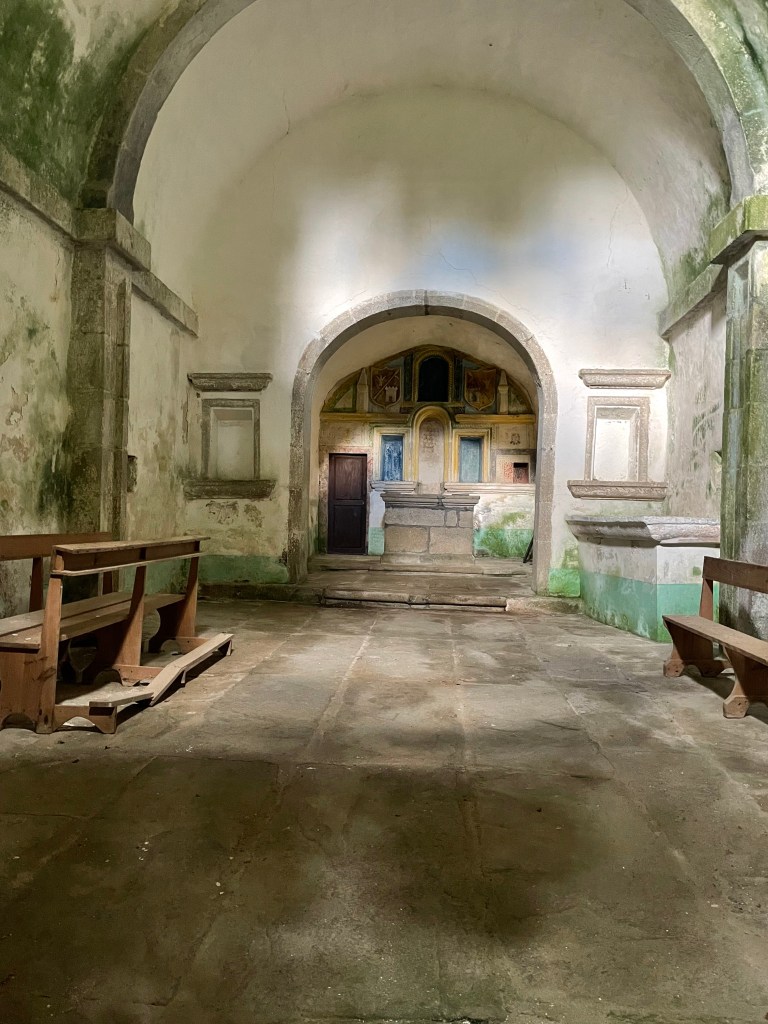
Locked, but a small hole in the door to see inside. Rebuilt for monks, but with pieces that had Moorish influences and and earlier Roman influences.
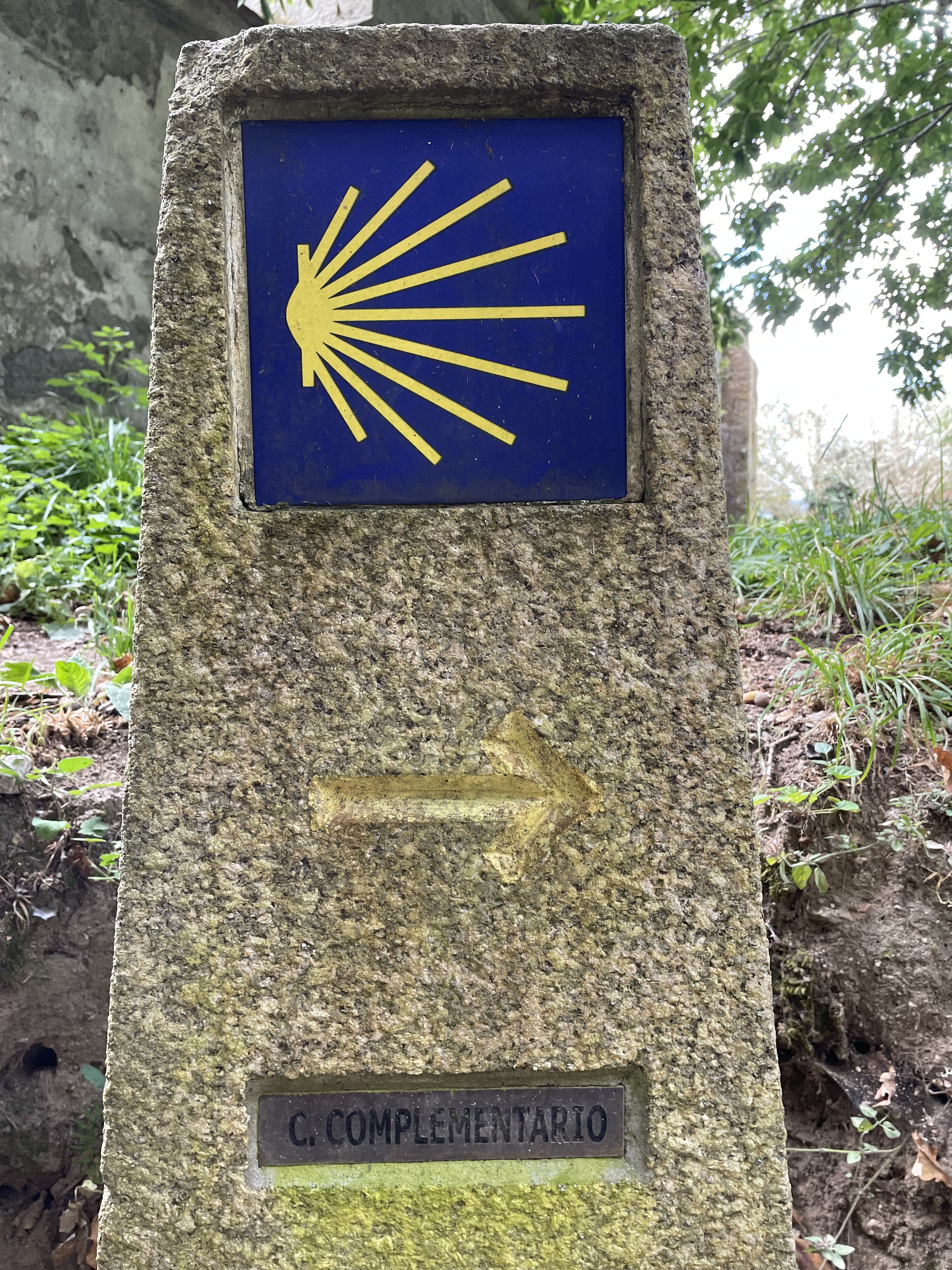
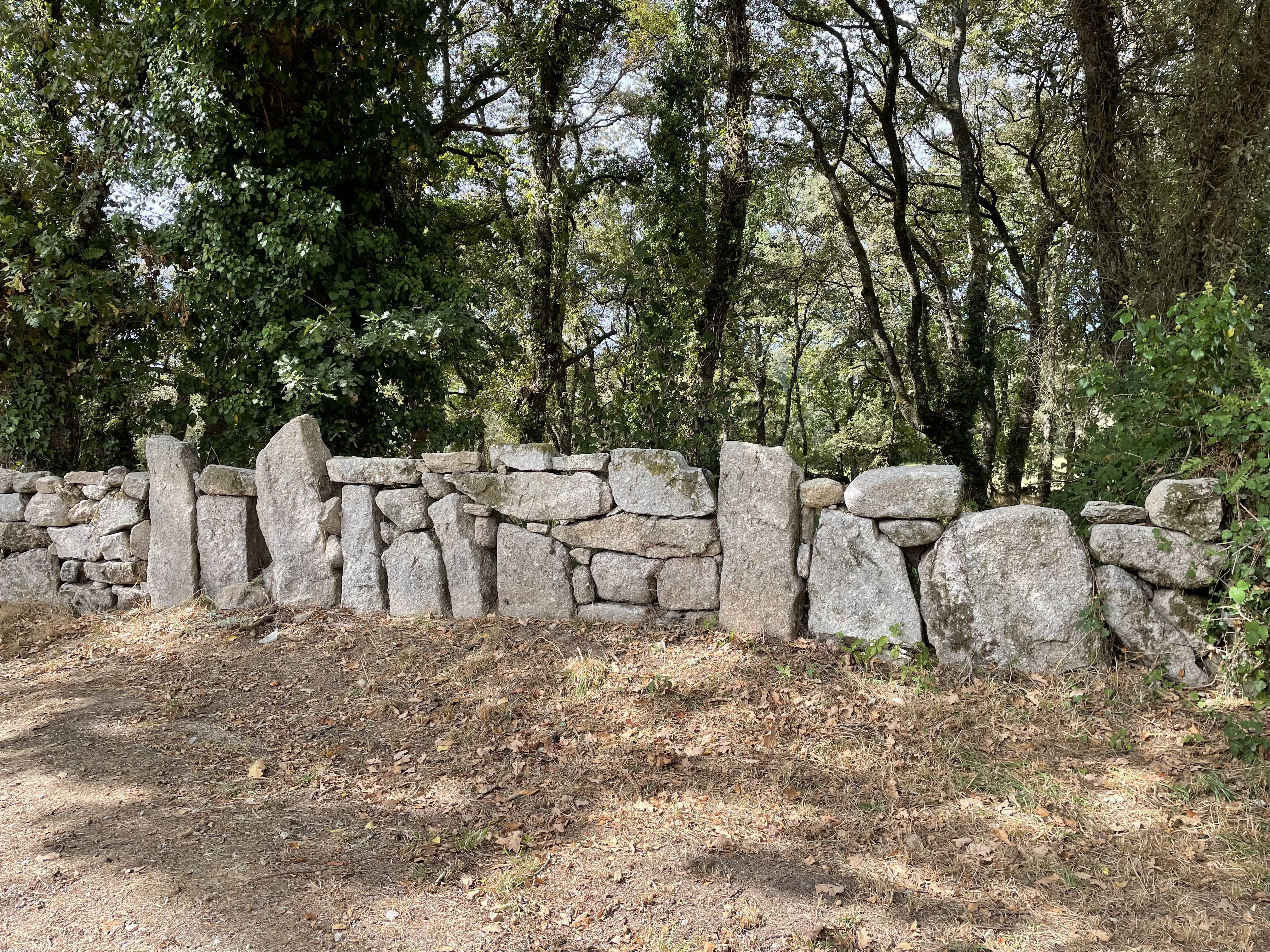
Amazing wall.
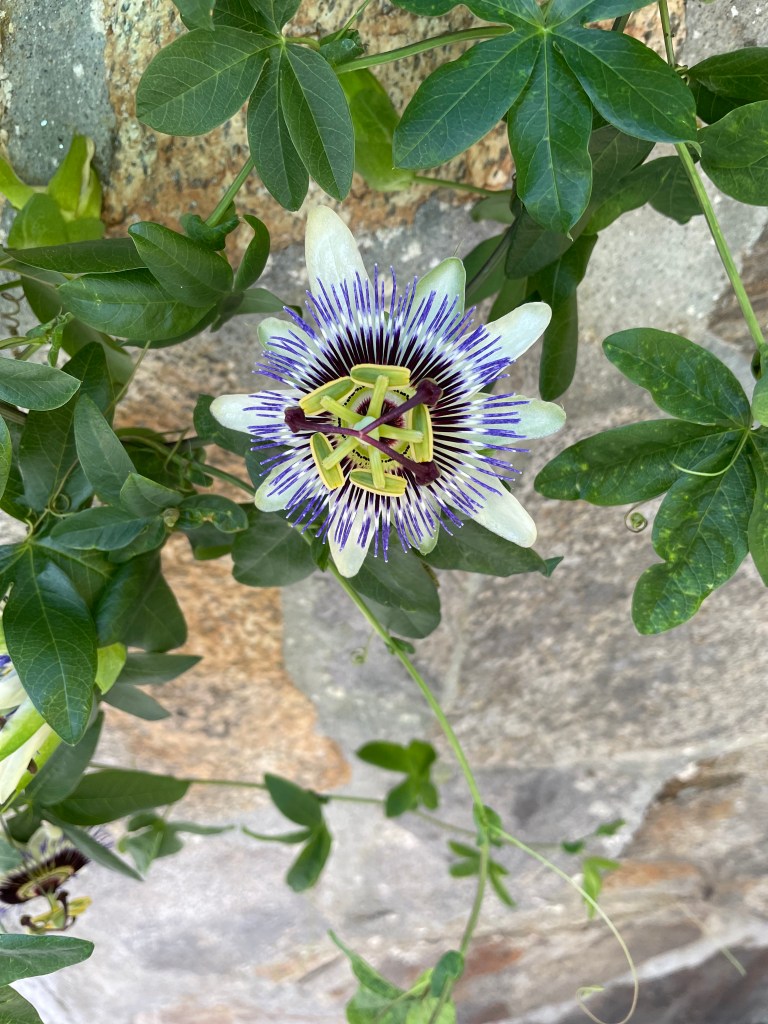
Amazing flower! Greeted me on the outskirts of Lugo.
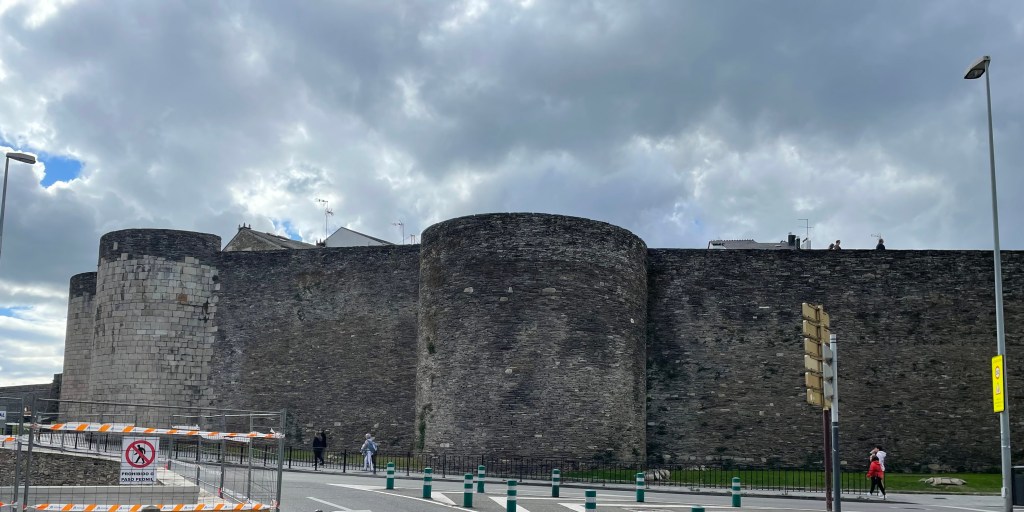
And Lugo. How cool is this to walk up and see?! Here’s a bit about it and tomorrow, I’ll get to explore. Lugo is the capital of the province of Lugo. The city was probably founded by Celtic inhabitants of the region and dedicated to Lugos, a pan-Celtic God of light, oaths and arts. Later conquered by Paulus Fabius Maximus and called Lucus Augusti in 13 BC on the positioning of a Roman military camp, while the Roman Empire completed the conquest, in the North, of the Iberian Peninsula.
Lugo is the only city in the world to be surrounded by completely intact Roman walls, which reach a height of 10 to 15 metres along a 2117 m circuit ringed with 71 towers. The walk along the top is continuous round the circuit and features ten gates. These 3rd-century walls are protected by UNESCO as a World Heritage Site. The bridge over the Minho is essential of Roman date, though many repairs over the centuries have effaced its Roman character.
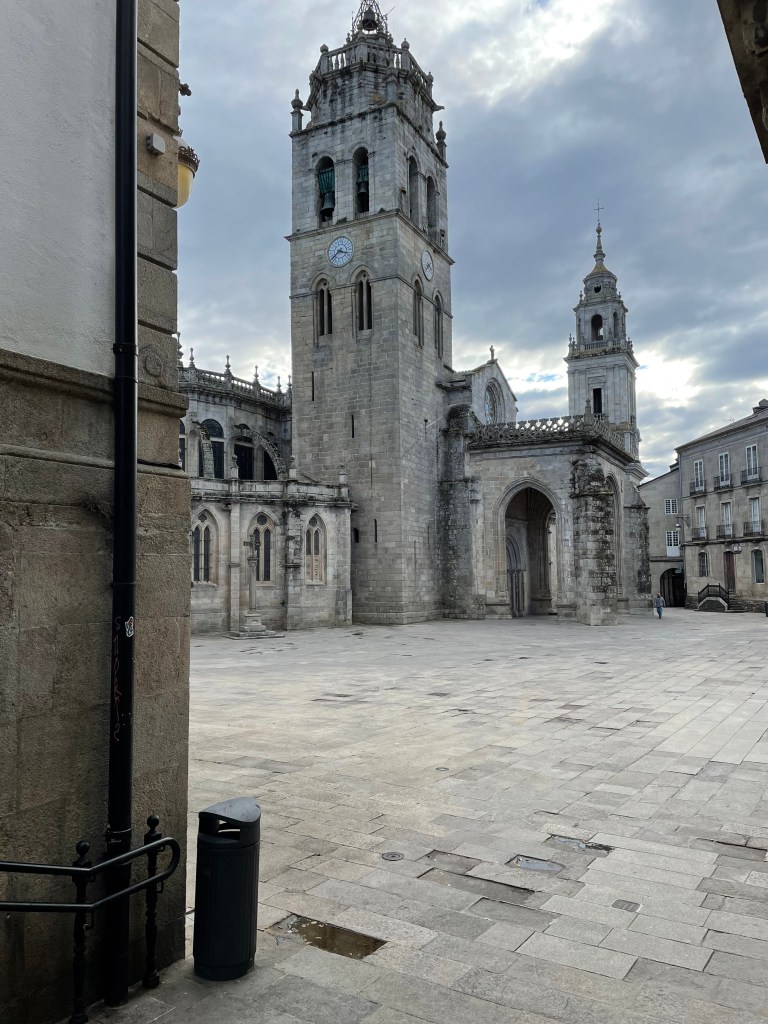
The Cathedral, dedicated to St. Froilán, was built about 1129, though the actual main facade and towers date from 1769. Its elegant stalls were carved by Francisco Mouro in 1624. This cathedral enjoys the privilege of having the Blessed Sacrament perpetually exposed, a fact commemorated in the armorial bearings of the town. (I don’t know what that means that the Blessed Sacrament is exposed – I’ll figure it out for tomorrow.)
 Reb's Walks!
What an amazing part of the world- walking and nature and mysticism. Fabulous!
LikeLike
I get a spiritual lift when I read these! Thanks for bringing us along with you. xo
LikeLike