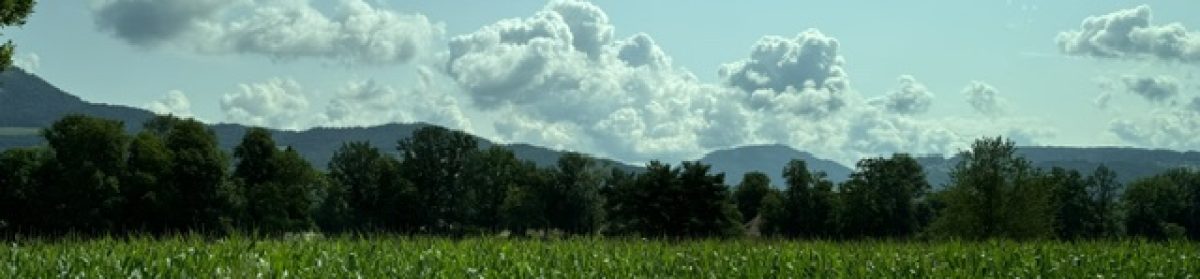
Today we did half of what is usually the first day of the Camino del Norte. Our schedule has us starting from San Sebastián, but a friend, Jean Marie from my Mamaroneck days, had done this route last year and gave me the inside scoop. You have to do the traditional first day! Take a taxi up to the bridge, ask them to wait and walk across the bridge to France to the actual start and then come back and take the taxi to the base of the mountain, skipping the city walk. We decided to skip the bridge, but did take taxis to the base of the mountain.
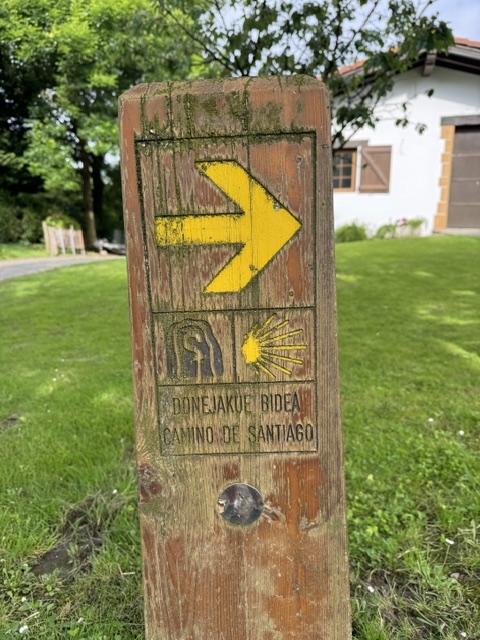
Yes, we spun around a bit trying to find our way, but we were close and quickly were on the trail. I loved getting to see the camino signs again!
We walked up some seriously steep trails – short, but steep – and then we were on a ridge going along the Bay of Biscay. So beautiful. I’ll let the photos speak for themselves.
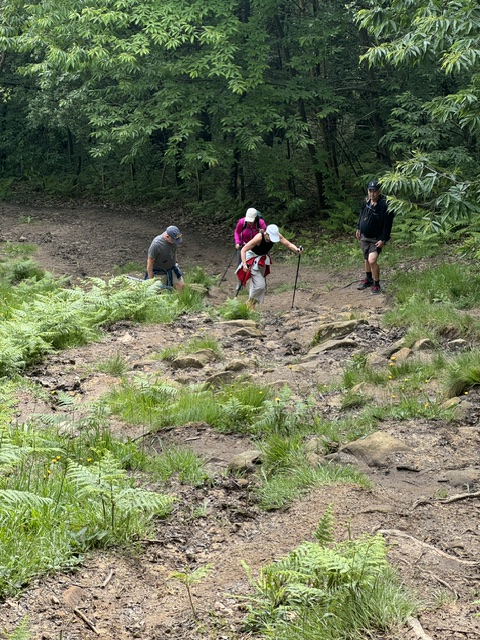
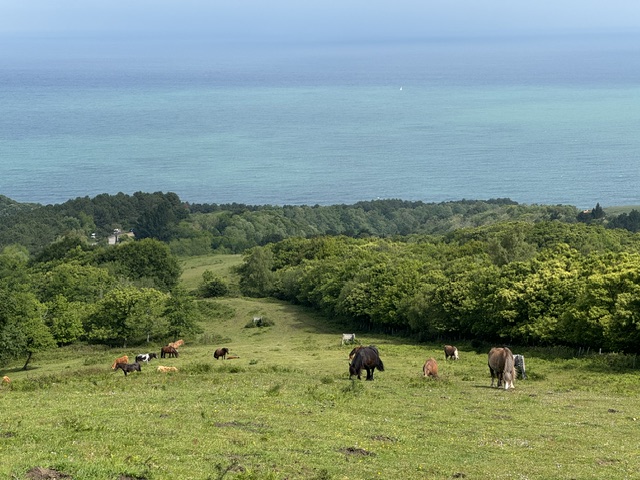
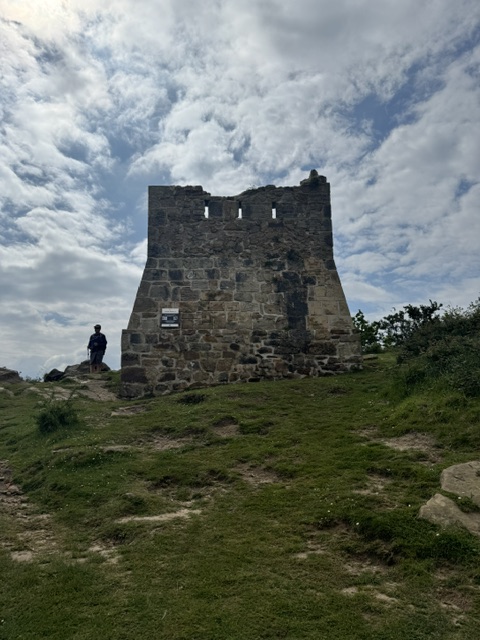
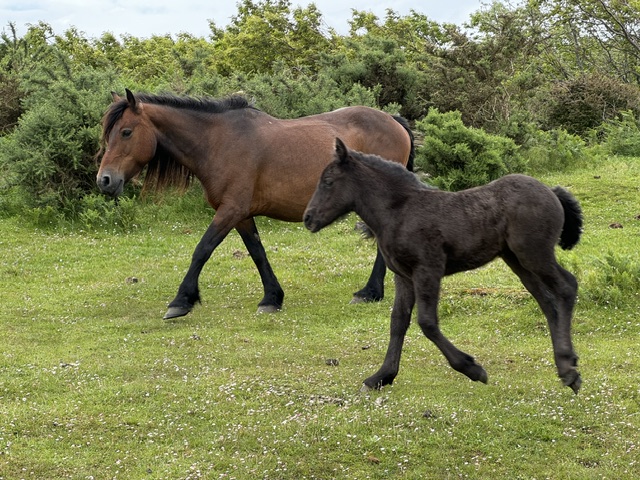
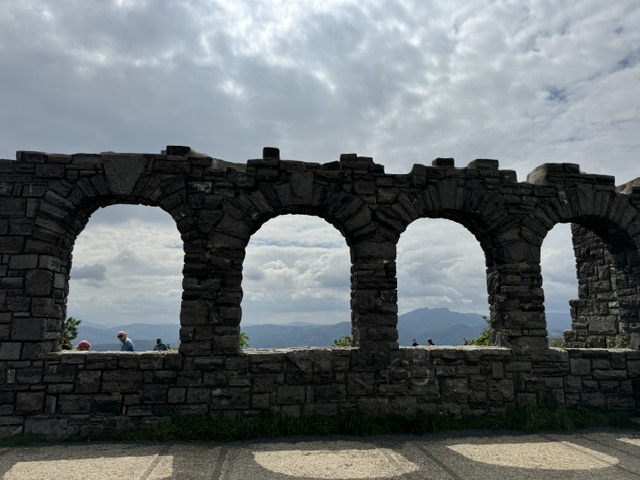
It was pretty windy and cold, but bright and sometimes warmed completely up – so jackets off and on and I just relished all the sounds – birds, roosters from the farms, cows and horses with bells – I’m back in Spain! I do love it here and I so love the walking and getting to see things at a slow pace. We actually went too slowly, so ended up only hiking 10 miles instead of the 15 we’d expected.
So – for the end of our hike, we came down the mountain into a completely darling little fishing village on one side of the port entry. The other turned out to be an amazing ship building port and the port that all the big ships came into for industry and commerce for the San Sebastián region. We were amazed at the tiny space that these giant ships came through to get into the port. If they got through – they were safe, but oy, in the old days, without motors? We did watch a freighter coming in and wondered why in the world the tug was at the back. Turns out, it was because the boat had to power its way in to stay straight, but then the tug had to pull it backward to slow it down in order to dock. Amazing.
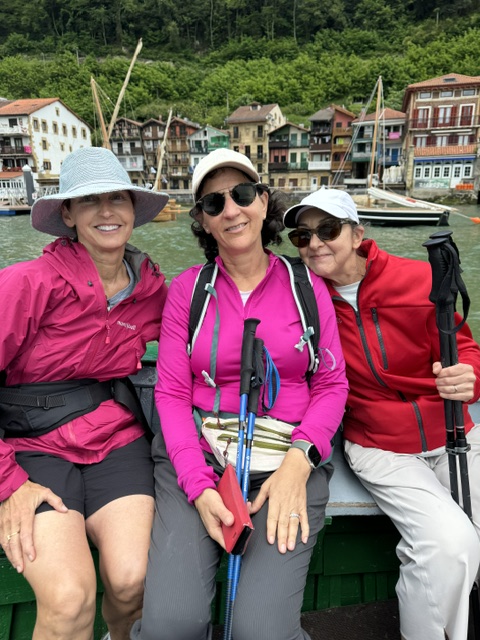
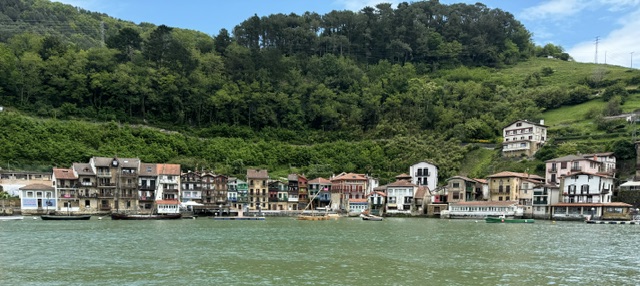
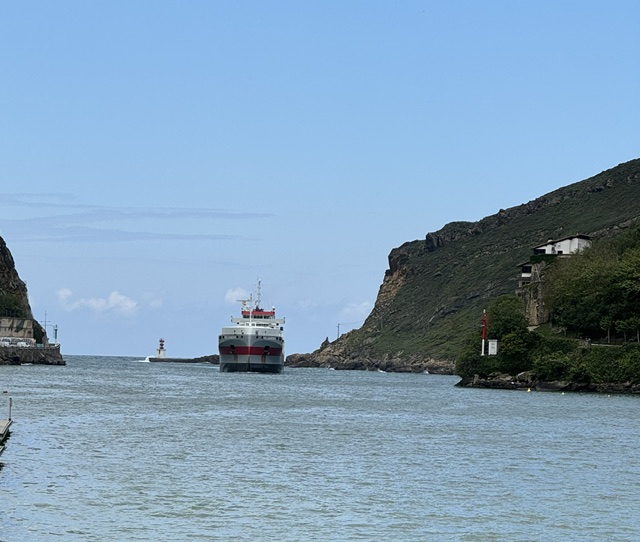
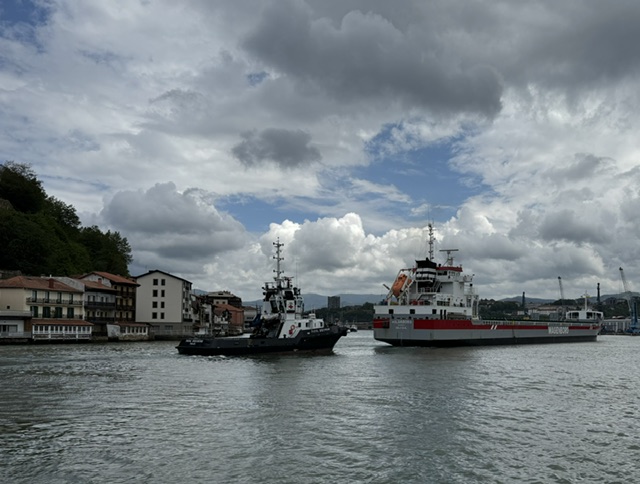
If we’d only known, Rick for sure would have gone to the site where they’re building a galleon with all the old craft to replicate a Spanish galleon that went down off the coast of Canada. When the man who was inspired to start rebuilding wooden boats in the Basque region went looking for craftspeople, there were none left. The only people left in the world who knew how to build wooden boats were in Maine at the WoodenBoat School, a place Rick has dreamed of going to to learn the craft. Maybe if he ever retires…
Here’s an article about the whole adventure.
The Basque city rebuilding its maritime history – Dokumentazio zentroa
We crossed the river on a little ferry and then debated the taxi option. We could have gone another 8 miles (our distances were just oddly off in planning), but instead we grabbed a taxi to go back to San Sebastián. We had a Pinxto’s tour planned (courtesy of Jean Marie’s advice) and we didn’t want to miss and wanted to clean up as well.
Came back, had some down time and then – we went to meet Gorkas, the mayor of the town as Rick called him. A young guy, passionate about the Basque traditions and history, a wonderful teacher and he loved food as much as his country and culture. He was known to everyone, hellos, brief conversations, hugs everywhere we went and he was so graceful about juggling the greetings and us.
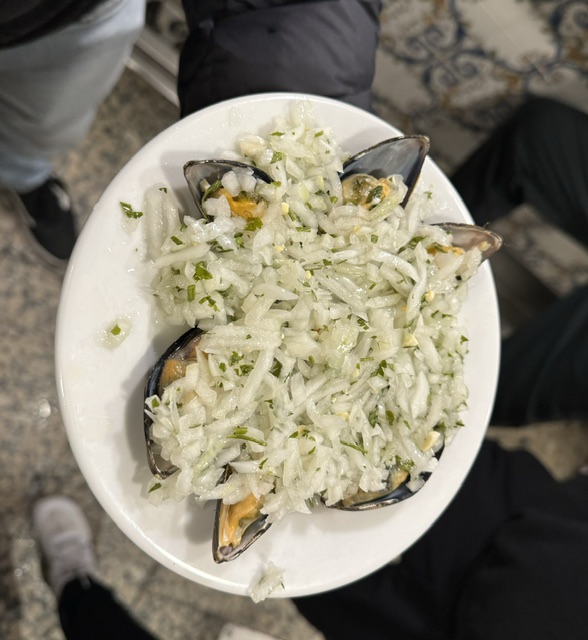
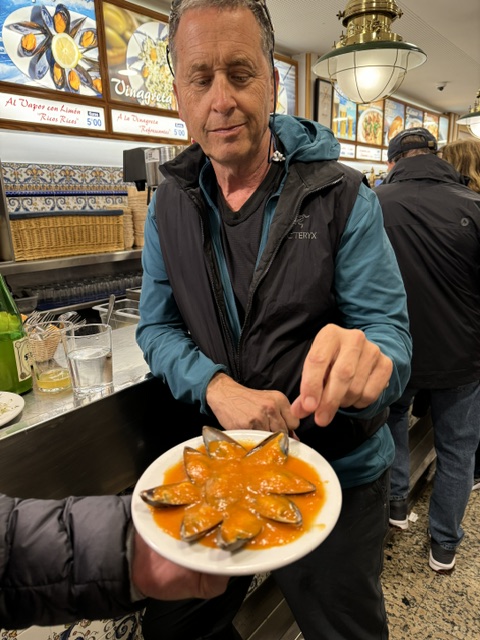
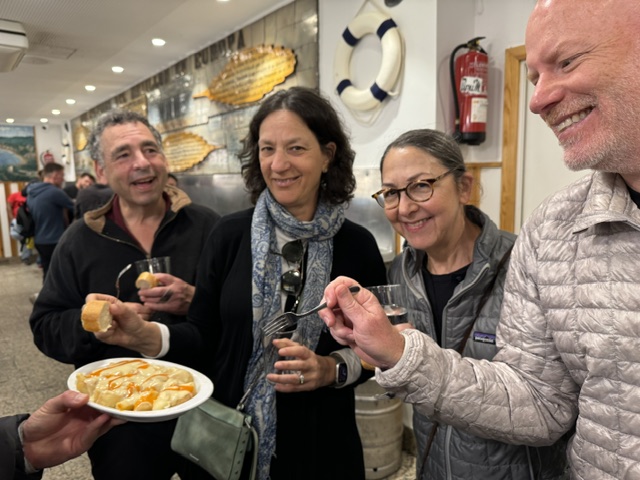
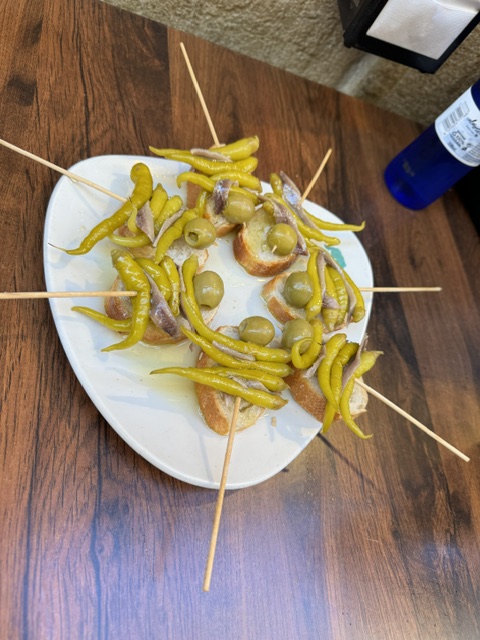
The last one probably doesn’t look completely scintillating, but it was delicious! And it was the original type of pintxo, La Gilda. I forgot to get pictures of a lot of them!
Bit of history for La Gilda: But this history has another key figure inside Casa Valles: Joaquín Aramburu, a.k.a. “Txepetxa”. One of the regular patrons. Nobody knows how many hours have spent Txepetxa sitting and drinking in that bar counter until that day when, at his own risk, he took an anchovy, a chilli pepper and an olive, and skewered them in a stick. This wisecrack came together among the other regulars, and soon they started to ask for that combination.
We went to 6 different places, getting to try many different pinxtos. Gorkas took it in stride that most of us didn’t drink much and promptly moved us to water with occasional samplings of drinks. Pinxtos is a Basque term that means skewered. Later, in other places, these little dishes became known as tapas, here – definitely pinxtos. I was seriously hungry and thought this is not going to fill me up at all. But since we are now eating everything, I had beef, anchovies, potatoes, muscles, Iberian ham (there are four gradations), shrimp, risotto and we ended with a traditional desert (“my grandmother made this for us” ) of French toast soaked in cream and spices and surrounded by a custard. As Rick said, several of us Hoovered it ALL up. Such a fun night. I’d recommend Gorkas to anyone who was wanting a tour of any sort he chose to lead.
 Reb's Walks!