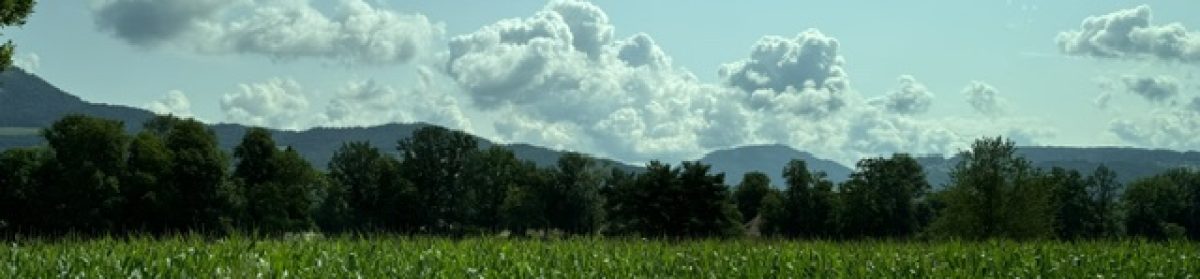
I’m off on a trip to Vietnam, Cambodia and then continuing on to see Singapore on my way to visit my sister Summer in Brisbane, so a big trip. So cool. I’m with friends, Scott, Kellie, Pat and Holly and Rick was a critical element of the group and he’s not here. Rick’s beloved (by all the White clan) Aunt Audreé died the weekend before we left and he couldn’t miss the funeral. So we left without him, not easy for any of us. Hardest on Rick of course, but he rallied and had some of his own adventures while I was gone.
Normally, part of what I love doing in these blog posts is talking about the history, but oh man, the history of Vietnam is incredibly complicated. I keep trying to put it together, but it will stay a challenge throughout our trip. Between dates, colonization, wars with China, France and America, monarchies, independence at different times, etc. hard to synthesize.
Our first day we took time to recover from the flights. The flights were so easy, connected, but oy, they’re long. When I was trying to figure out how to attend the funeral, we were able to set up flights coming back and returning without losing too much time off the trip, but then Rick did the calculation of travel versus time in country and it didn’t remotely make sense. He’s done so many Asian trips because of work that he knew what he was talking about. I was in serious fantasy land with my hopes to come back. Now I know. This is a far far distance away.
We started in Hanoi. In the 11th century the King moved the capital here and called it Tung Lao – ascending dragon – because of a cloud formation that he saw. Now the city is called Hanoi which means inside the river, renamed in the early 19th century. There used to be regular flooding with houses built on one side of the river to try to hold back the river from the rest of the city. Now hydro electric plants control the river so it no longer floods the city.
Sunday was a day off to explore, walk, see Hanoi and try for a nap. There’s a lake in central Hanoi that is walking distance from the hotel (Sofitel, built in 1901, oldest elevator in Hanoi, a very beautiful old building) and Pat, Holly and I went to see. Groups of middle-aged (mostly) women were doing these exercise routines to music all around the lake.
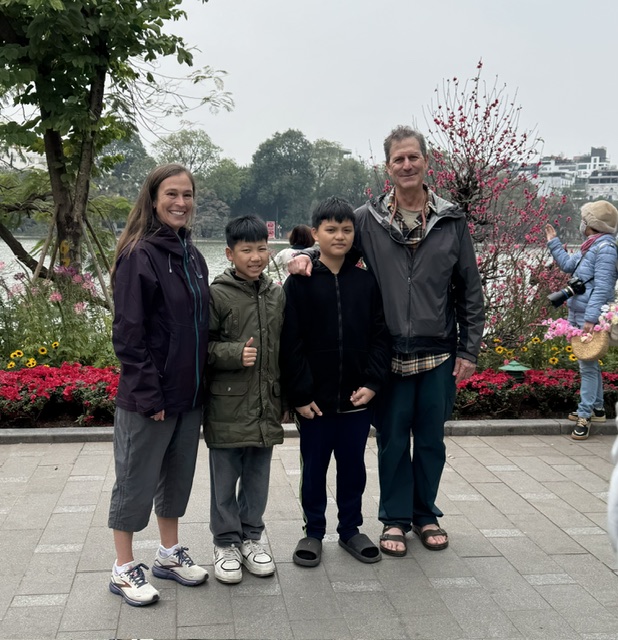
In addition there were moms with kids who would ask “do you have time?” Then the kids would ask questions from their papers – learning to speak English. So we had some delightful interactions with the kids – Pat and Holly were a hoot, they couldn’t resist any of the kids!
Pat and Holly also got caught by shoe cleaners. Pat thought the guy who told him he could repair a tear on his green suede Birkenstocks was great. Then before the end, his cool Birkenstocks had been turned into dark brown, no longer suede and the guy told him $20 American wasn’t enough and told him where to go to find a bank. Funny.

Scott and Kellie then joined after a late breakfast and we walked again, this time exploring the old city. Scott never seems to lose his way and he steadily led us on and around without ever referring to his phone. Amazing. We wound onto smaller roads, 100s of scooters lined up on the sidewalks so we walked the streets along with the cars, scooters, people, tourists, people cooking street food on the sidewalks and somehow it worked. You really can walk around Hanoi – at least the part where we were.
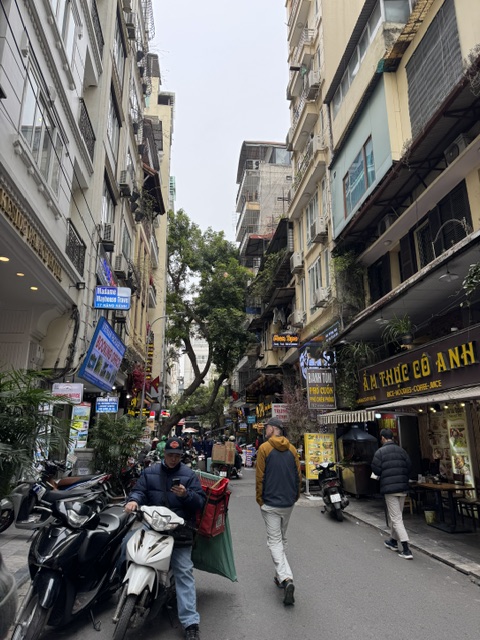
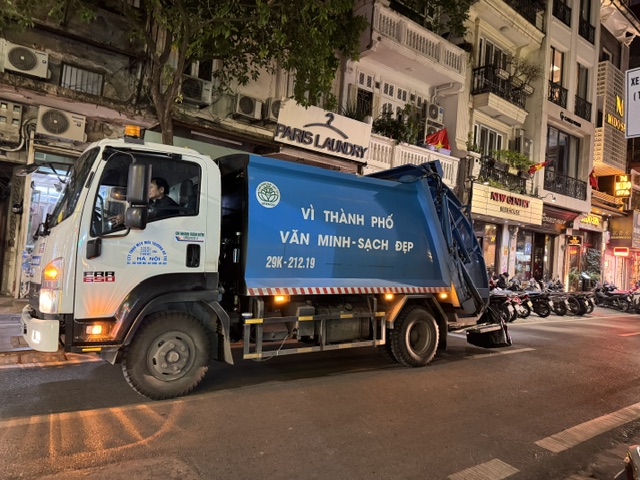
It was pretty clean, regular small piles of trash collected at the curb and then picked up. And though it’s grey, crowded and busy, the plants and trees that somehow survive add to the walkability of the city.
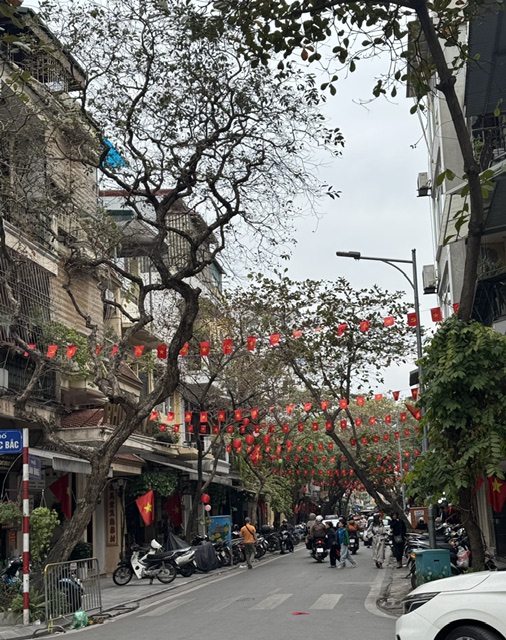
We were fascinated by the very thin and tall buildings. Some were left from the French colonial times and were beautiful, even if it’s just the facade that’s holding up. They were right next to houses that were a wonder they were still standing. Our guide we had later for a walking food tour told us that each generation’s family keeps adding up, with the senior family member having the first floor.
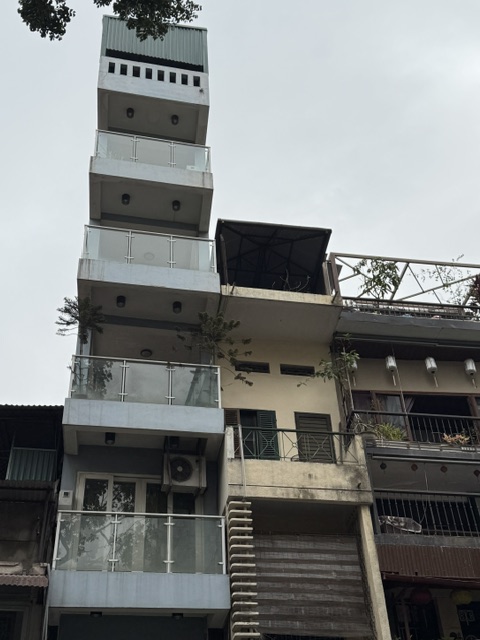
Traditionally, the business was/is at the front of the building, the middle of the building committed to the manufacturing of whatever is sold and then living at the back. There were slim little alleys leading to each section and access. Our guide stopped at one point and pointed to the electrical boxes, one per family. There were 17 in one alley and you just had to guess how the configuration worked since it wasn’t at all obvious how 17 families were in that building.
Our last stop before walking back was the “train street”. Scott knew about it and led us to an entrance, but a woman stopped us and just talked a lot about coffee. Confusing and she wasn’t letting us go up to see the train street. So we went to the left to find our way around. We found a way and then I understood the term “train street”. The only way to be on the street when the train came through (5/day) was by being IN the buildings, looking out, or on the curb fronting the buildings. Our timing was amazing because we got front row seats in a cafe, ordered fries, cokes, smoothies and then a group came along and we heard the guide say the train was coming in 10 minutes. And it did! People were blowing whistles and waving oblivious tourists back – “you’ll die if you don’t move off the street” – and then we waited with cameras in hand (of course). Crazy. I have the video below.
We went back to the hotel for some down time and then met our guide, Hi, for a walking food tour. We had pretty high expectations since a lot of us had done different food tours in other countries that were amazing. The next morning, Kellie said the good thing about this food tour is that none of us got food poisoning. So – fun to see the lights and all the people out eating on tiny little stools and chairs and tables and to hear some of the stories, but it wasn’t a repeater.
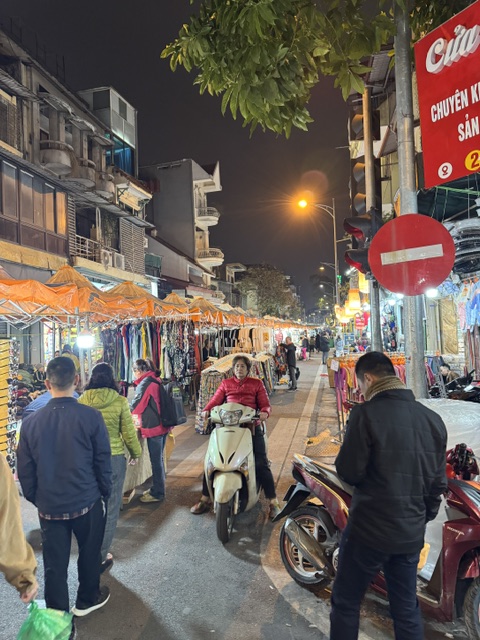
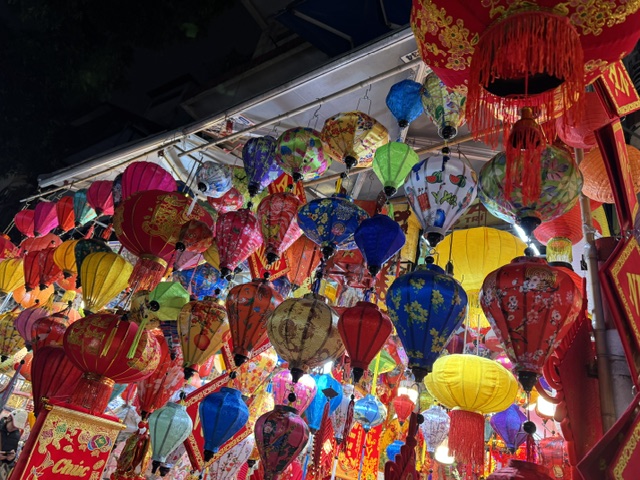
One thing we saw was the trash pick up truck – it was singing a song that evidently beckoned everyone to bring their trash and both home owners and business people were bringing their bags out – small that we saw.
Brief notes from Hi’s talk during our evening walk re different farm ownership over Vietnam’s history:
When the Kings ruled, the farmer got land for himself and land to support the owner of the land which he worked and thus paid the owner. On his own land he could also earn money for himself and feed his family.
The French ruled Vietnam from 1858–1885 and again from 1887–1954 and supported the land owners. The farmers were taxed so highly that they then gave up. So many farmers moved to working in manufacturing and mining and working for the French in the later 1800’s.
When Ho Chi Minh wanted to unify the country, he said the farmland belonged to the farmer and the factories belonged to the country. So the farmers were able to plant for themselves, but also had to provide for the troops. Then all the land become a cooperative. All had to work and could only sell their goods to the country which undercut motivation and agricultural productivity tanked.
In 1989 when the Soviet Union left, inflation was at 300%. Then the north started making changes, giving land back to the families, and initiating a market economy. There was a tax, but farmers could also sell at market prices. Vietnam became the second biggest rice exporter. Now industry is starting to exceed rice exports and gradually more rice land is being converted.
Right now the average income is 2500 per person.
The last king was in 1945.
Here’s a synopsis of more recent history:
In WWII Japan ruled Vietnam. At the end of WWII the Chinese liberated Hanoi from the Japanese, the British liberated Saigon, from the Japanese. The British turned the south over to the French who were here before. Ho Chi Minh declared independence for ALL of Vietnam, saying no to the division and declared war against the French with Chinese support. 100,000’s of Vietnamese died. In 1954 the French retreated. The Geneva convention in 1954 declared a south and north Vietnam, but Ho Chi Minh said no. The Geneva convention set a DMZ around Danang, but it didn’t work. Americans came in 1954 in a low level way to support the Republic in the South and it just escalated further and further through the Vietnam war until Ho Chi Minh won.
China supported Ho Chi Minh during the Vietnam war, providing military equipment, etc. That involvement escalated after the arrival of US combat troops in 1965. After the Vietnam war, China left, but left their weaponry behind.
In 1979, China invaded Vietnam in response to Vietnam’s invasion of Cambodia, but Vietnam used all of the Chinese weapons left (this was according to one of our guides) and defeated the Chinese in a war that lasted about a month, with China withdrawing its troops in March 1979.
The conflict damaged relations between China and Vietnam, and diplomatic relations were not fully restored until 1991. According to our Hanoi guide, over time the Chinese started flooding Vietnam with tourists. But the tourists were so disrespectful in their behaviors that Vietnam said no. They built a wall in the north and then restricted how many Chinese could visit.
 Reb's Walks!
What an incredible, detailed journey — I felt like I was walking alongside you in Hanoi! 🇻🇳 The mix of history, street life, food, and those unexpected surprises (hello, train street!) really brings Vietnam to life. Thanks for sharing these amazing insights — can’t wait to read more about the rest of your trip!
LikeLike